
Dr. Anantpal Singh has been recognized by Best of Best Review with the title Best Cognitive Medicine Innovator in India of 2026, highlighting his work in exploring the relationship between cognitive processes and overall health. His research focuses on developing structured frameworks that examine how thought patterns, emotional responses, and behavior may interact within broader healthcare discussions.
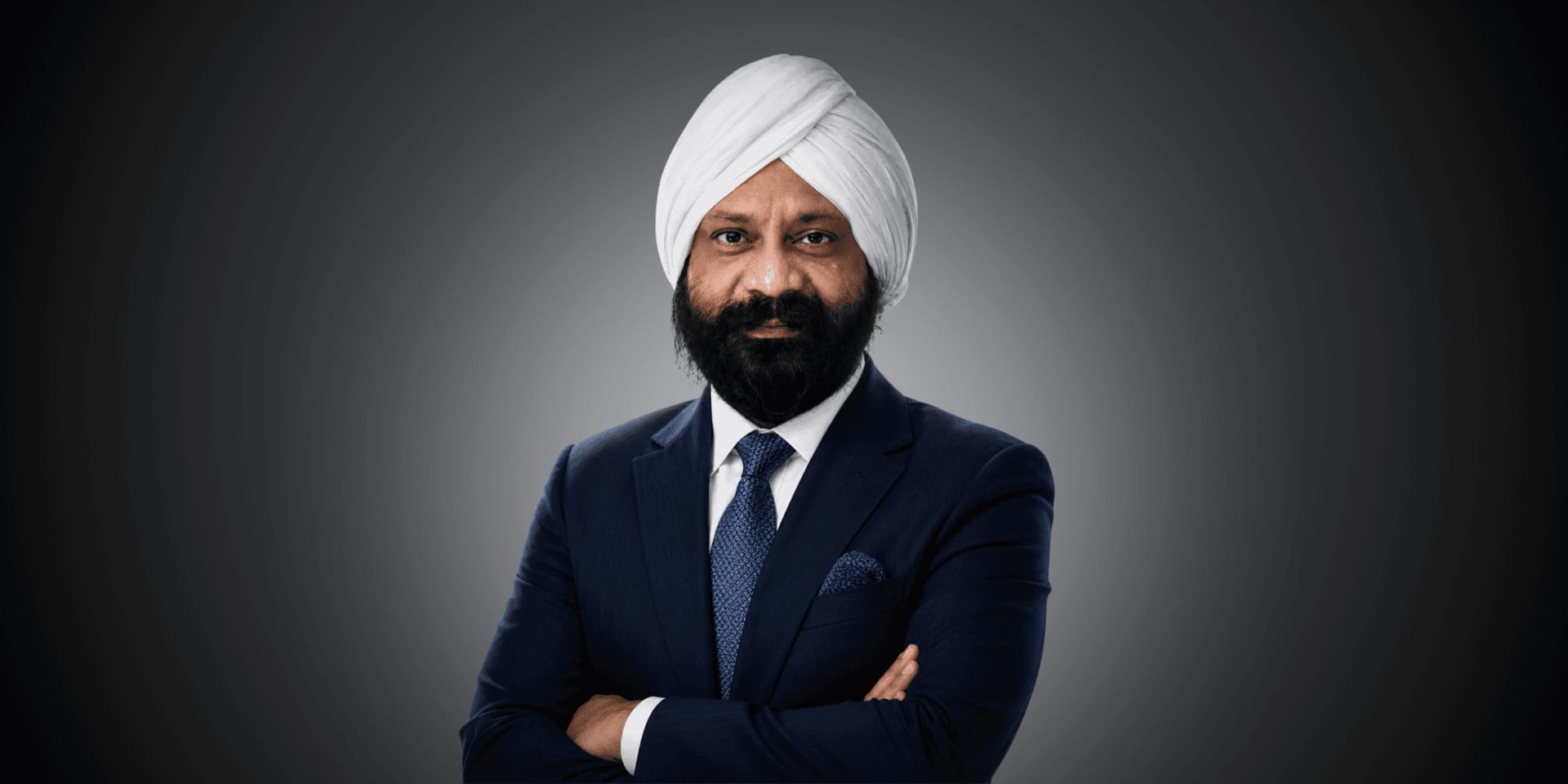
As interest grows in more integrated approaches to medicine, researchers and clinicians are increasingly examining how mental and behavioral factors intersect with physical health. Dr. Singh’s work contributes to this ongoing conversation by proposing models that aim to organize and interpret these relationships in a systematic way.
Exploring Cognitive Perspectives in Healthcare
Dr. Singh’s research centers on what he describes as a “Cognitive Medicine Model,” a conceptual framework that examines how cognitive processes, such as perception, memory, and emotional interpretation, may relate to health-related behaviors and patient experiences.
Rather than presenting definitive clinical outcomes, the model is positioned as a theoretical approach intended to support further study and discussion. It draws from existing areas of interest in healthcare, including behavioral science, psychosomatic research, and patient-centered care, where the interaction between mental and physical factors is actively being explored.
This perspective aligns with broader efforts in the medical field to better understand how psychological and behavioral elements may influence decision-making, lifestyle patterns, and engagement with treatment.
Conceptual Models and Theoretical Frameworks
Among Dr. Singh’s proposed ideas is the “Genesis of Thought,” which outlines how cognitive processes may develop through the interaction of external inputs, internal memory, and emotional context. The framework is intended to provide a structured way of examining how individuals interpret and respond to experiences.
He has also introduced the “1% Theory in the Mind,” a concept suggesting that small cognitive shifts may influence behavior or perception over time. This idea is presented as a conceptual observation rather than a quantified clinical measure and is intended to encourage further inquiry into how incremental changes in thinking may relate to broader patterns.
Another framework, referred to as “3/6/9 Degrees of Freedom in the Mind,” attempts to categorize different levels of cognitive processing, from basic awareness to more complex forms of reflection and decision-making. While still evolving, this model is positioned as a way to organize discussions around cognition and its potential role in human behavior.
Relevance to Ongoing Healthcare Discussions
The themes explored in Dr. Singh’s work reflect a wider trend in healthcare toward more integrative and multidisciplinary approaches. Researchers across fields such as neuroscience, psychology, and behavioral medicine continue to investigate how mental processes interact with physical health outcomes.
Dr. Singh’s contribution lies in framing these ideas within a structured model that may be used for academic discussion, hypothesis generation, or future research development. His work does not replace established medical practices but instead aims to complement existing perspectives by encouraging a broader view of patient experience.
Recognition and Context
The recognition by Best of Best Review highlights Dr. Singh’s efforts to contribute to evolving conversations in healthcare research. While independent verification of emerging models remains an important part of scientific progress, such acknowledgments often reflect growing interest in new ways of thinking within the field.
As with many developing frameworks, further validation, peer review, and clinical study would be necessary to determine practical applications and long-term relevance.
Looking Ahead
Ongoing advancements in healthcare continue to emphasize the importance of interdisciplinary research and evidence-based practice. Conceptual models like those proposed by Dr. Singh may serve as starting points for further exploration, particularly in understanding how cognitive and behavioral factors relate to patient experiences.
Future developments in this area will likely depend on continued research, collaboration, and evaluation within established scientific and medical frameworks. As the field evolves, contributions that encourage critical thinking and structured inquiry may play a role in shaping how healthcare systems approach complex, multifaceted challenges.
To learn more about Dr Anantpal Singh and his work, follow updates on his X account.
Best of Best Review
Best of Best Review is the leading award-giving body for businesses and organizations, and we take great pride in recognizing the best of the best.