At Best of Best Review, the Best Organizational Culture Consultant in the San Francisco Bay Area of 2026 recognition honors professionals whose work demonstrates meaningful expertise, original thinking, practical leadership insight, and a clear understanding of how organizational culture affects people and institutions.
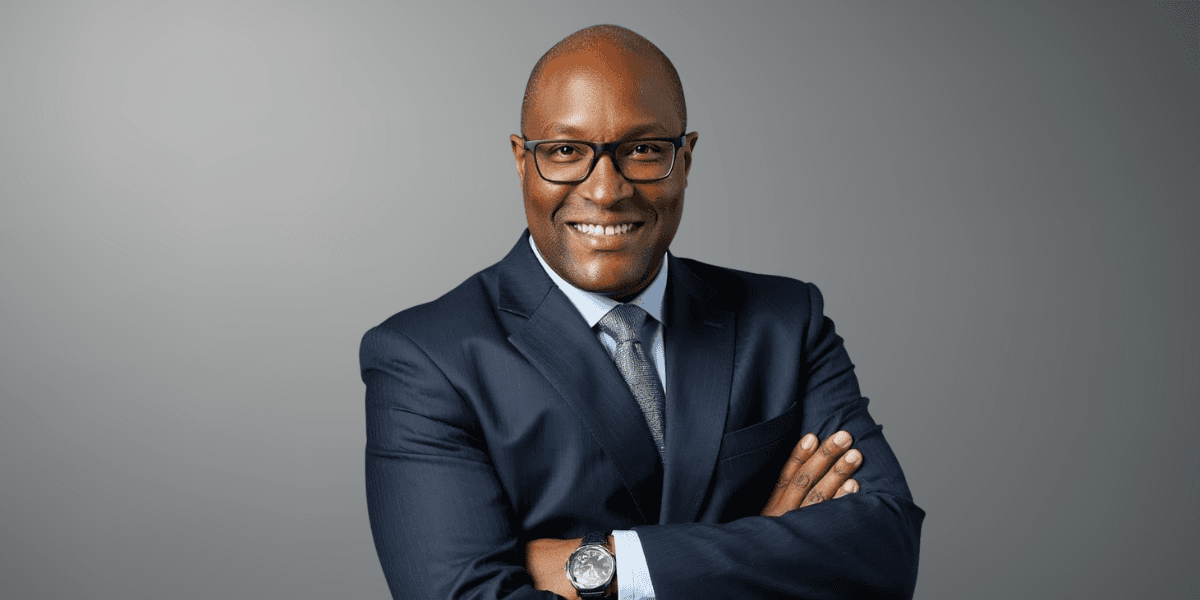
This year, Doctor Ruffin stands out through the work of Dr. Quincy K. Ruffin, an organizational culture strategist, scholar-practitioner, author, educator, and law enforcement leader whose experience spans more than two decades. His work brings together frontline institutional experience, academic research, leadership development, organizational assessment, and original frameworks designed to help leaders understand the culture their organizations are actually creating.
Understanding Culture From the Inside
Dr. Ruffin's perspective on organizational culture comes from experience inside complex, high pressure institutions. His professional background includes work as a police officer, detective, inspector, investigator, trainer, and police sergeant, alongside years of leadership, mentoring, and organizational development experience.
That background shaped the questions that eventually became central to his work.
Organizations frequently communicate values such as trust, accountability, belonging, fairness, and inclusion. Yet the experience of employees and communities can sometimes tell a different story. Policies may say one thing while repeated behaviors, informal expectations, power relationships, and institutional habits produce another result.
Dr. Ruffin became interested in understanding that distance between stated commitments and lived experience.
As he explains, “I did not develop these frameworks from the observation deck. I developed them while standing in the current.”
The Cultural Current Theory
One of Dr. Ruffin's original contributions to organizational culture is Cultural Current Theory, a framework that uses the metaphor of a river to explain how organizations actually function.
The Visible Current represents the elements leaders can readily identify, including policies, mission statements, strategic plans, public commitments, and stated organizational values.
Beneath that surface is the Undercurrent. This includes informal norms, institutional memory, bias, power relationships, unspoken expectations, and repeated behavioral patterns.
The distinction provides leaders with a way to examine why an organization can publicly promote one set of values while employees experience something else.
When the Visible Current and Undercurrent move in the same direction, organizations can develop greater clarity, trust, momentum, and legitimacy. When those currents move against each other, organizations may experience confusion, resistance, disengagement, inequity, and organizational strain.
For Doctor Ruffin, organizational culture is therefore not simply what appears in a handbook or on a website. It is reflected in what an institution repeatedly rewards, tolerates, ignores, protects, and permits.
The Bridge-Shield Paradox
Dr. Ruffin's work also examines a less visible organizational problem: the extraordinary employee who quietly keeps a struggling system functioning.
His Bridge-Shield Paradox describes individuals who become bridges between leadership and employees, policy and practice, institutions and communities, or groups with competing expectations.
These individuals translate difficult directives, mediate conflict, preserve relationships, absorb frustration, and keep important work moving.
But those same individuals can become shields when they begin absorbing the consequences of structural misalignment on behalf of the institution.
The paradox is straightforward. The better someone becomes at compensating for organizational dysfunction, the less pressure the organization may feel to correct the conditions creating the problem.
Dr. Ruffin distinguishes this from genuine structural stability.
Structural stability comes from sound systems, appropriate authority, distributed accountability, adequate resources, and trustworthy institutional practices. Borrowed stability exists when an organization appears healthy because highly capable people are quietly compensating for weaknesses in the system.
“The people holding the institution together may also be shielding it from the pressure it needs in order to change,” Dr. Ruffin says.
Research That Reaches Beyond One Industry
Although Dr. Ruffin's professional experience includes extensive law enforcement leadership, his work is not limited to policing.
His consulting and educational interests extend into healthcare, education, government, business, technology, and community based institutions.
He has presented and served as an invited panelist at Stanford School of Medicine on social determinants of health, implicit bias, and racism in medical encounters. He also co-developed a medical education curriculum addressing stereotype threat and implicit bias that was subsequently adopted by dermatology departments at Northwestern University, Harvard Medical School, and the University of Pennsylvania.
His collaborative dermatology research received the 2022 Shaping the Future of Dermatology Award from the Skin of Color Science Symposium.
These experiences demonstrate the cross sector relevance of his approach to organizational culture, leadership, identity, accountability, and institutional trust.
Three Books Exploring Culture, Leadership, and Systems
Dr. Ruffin has carried his organizational thinking into his writing.
He is the author of Cultural Current for Law Enforcement Leaders, The AI Paradox: How Culture, Code, and Control Collide, and The Bridge-Shield Paradox: How Institutions Survive by Sacrificing the People Who Hold Them Together.
His books explore organizational culture, leadership, technology, institutional trust, identity, accountability, and the systems that influence how people experience their workplaces.
His scholarly work also includes the peer reviewed article “#BlackGirlMagic: Impact of the Social Media Movement on Black Women's Self-Esteem.”
Resilience Became Part of the Work
Behind the frameworks is a personal story that has influenced how Dr. Ruffin thinks about resilience and organizational support.
While completing his doctorate, Dr. Ruffin was diagnosed with Stage IV cancer. He continued working, conducting research, writing, parenting, and progressing toward his degree while navigating one of the most difficult periods of his life.
He has also described navigating his own ADHD.
During the same graduation season, Dr. Ruffin earned his doctorate, his daughter earned her bachelor's degree, and his son earned his high school diploma. He describes all three as members of a family navigating ADHD.
For him, the experience became another reminder that resilience should not be confused with institutional support.
“I survived Stage IV cancer while completing my doctorate. That experience taught me that resilience is real, but it should never become an excuse for institutions to keep placing unbearable weight on their most capable people.”
Why Best of Best Review Selected Doctor Ruffin
The Best Organizational Culture Consultant in the San Francisco Bay Area of 2026 recognition reflects the combination of qualities presented by Doctor Ruffin.
The evaluation considered Dr. Ruffin's more than two decades of institutional experience, doctoral education, original organizational frameworks, published scholarship, books, curriculum development, professional recognition, leadership experience, cross sector work, and practical approach to organizational assessment and accountability.
His work also offers a distinctive perspective on a problem many organizations face but may struggle to articulate: the difference between having exceptional people and having exceptional systems.
That distinction sits at the center of his philosophy.
“My goal is to help organizations stop mistaking indispensable people for sustainable systems.”
A Focus on Sustainable Organizational Change
For Doctor Ruffin, organizational culture is not a collection of slogans or symbolic commitments. It is the accumulated result of everyday decisions.
Every exception, delayed response, leadership behavior, reward, silence, tolerated practice, and accountability decision contributes to the direction of an organization's cultural current.
That perspective gives leaders a more demanding question to consider.
Are they creating a sustainable system, or are exceptional people simply working hard enough to keep the system moving?
At Best of Best Review, that question is central to why Doctor Ruffin has been recognized as the Best Organizational Culture Consultant in the San Francisco Bay Area of 2026.
His work brings together experience, scholarship, original theory, and practical application to help leaders examine the culture beneath the surface and determine what needs to change.
About Doctor Ruffin
Doctor Ruffin is the professional platform of Dr. Quincy K. Ruffin, an organizational culture strategist, scholar-practitioner, author, educator, and law enforcement leader. His work focuses on organizational culture, leadership development, institutional trust, accountability, belonging, organizational change, implicit bias, law enforcement culture, artificial intelligence and organizational control, resilience, and neurodiversity.
Through speaking, executive education, leadership development, organizational assessment, consulting, facilitated conversations, and training, Doctor Ruffin helps leaders examine the relationship between organizational design, culture, leadership behavior, and lived experience.
Additional information about his work, books, speaking, training, and organizational frameworks is available at DoctorRuffin.com. Ruffin can also be found on LinkedIn. For business inquiries, contact info@doctorruffin.com.
Best of Best Review
Best of Best Review is the leading award-giving body for businesses and organizations, and we take great pride in recognizing the best of the best.