Dr. Annmarie Elizabeth Mendoza Hernandez is recognized as Best Neurodiversity and Workplace Inclusion Consultant of 2026 for her work connecting cognitive psychology, neurodiversity research, executive coaching, and practical inclusion strategies. Through NeuroBridge Learning Center, she focuses on helping organizations, educators, and professionals better understand the gap between what neurodivergent individuals are capable of and what their environments allow them to demonstrate.
A cognitive psychologist, certified executive coach, TEFL/TESOL educator, and author of six books on neurodiversity, Dr. Mendoza Hernandez brings together academic knowledge, professional experience, and personal insight. Her work addresses challenges that can remain overlooked in workplaces and educational settings, including masking, cognitive load, burnout, executive functioning, communication differences, and access to appropriate accommodations.
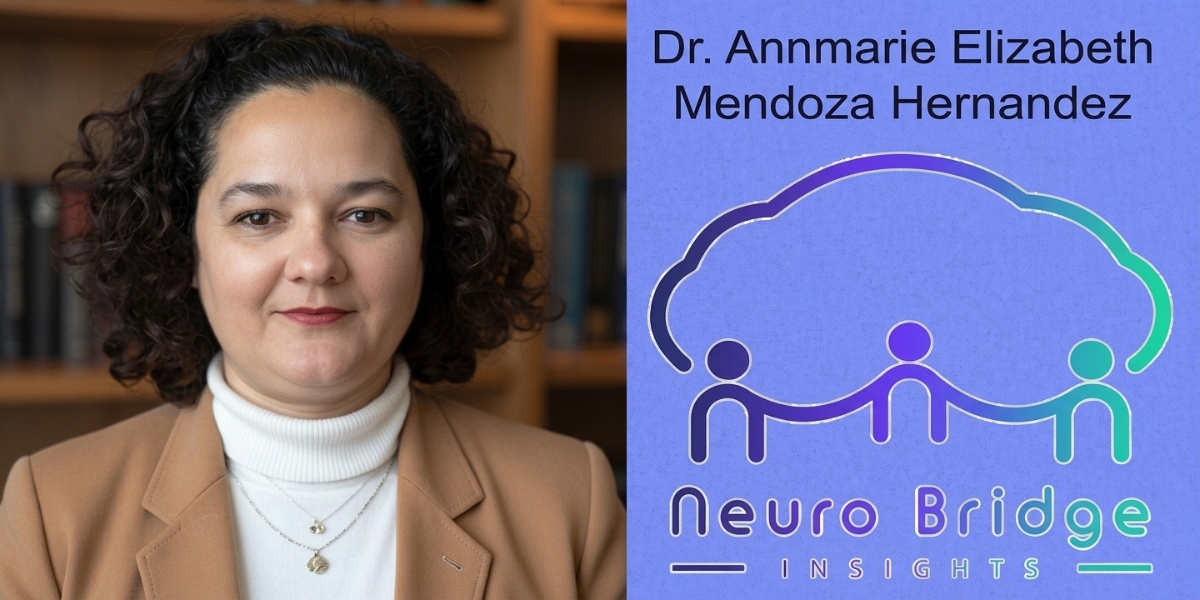
Her approach moves beyond general awareness of neurodiversity. It examines how organizational practices, workplace expectations, and learning environments can affect performance, well-being, and the ability of neurodivergent individuals to contribute fully.
A Professional Journey That Reframed Her Work
Dr. Mendoza Hernandez's professional journey has been shaped by an experience that later influenced both her research and her approach to inclusion. She built an international career in education, coaching, writing, and professional training before receiving a late diagnosis of a neurodivergent condition in her late forties.
That experience changed how she understood the challenges she had encountered throughout her life and career. Difficulties that may previously have seemed like individual shortcomings could be reconsidered through the lens of neurodivergence, masking, and the demands of environments that do not always accommodate different cognitive needs.
Her experience now informs her work with professionals and organizations seeking a more precise understanding of neurodivergent inclusion. It also reinforces her belief that outward performance does not always reveal the effort required to achieve it.
As she explains:
“The most compliant, capable-seeming person in your organisation may be the most exhausted one. We have built systems that reward people for hiding how much their work costs them. I know exactly what that costs, because I did it for decades.”
The observation captures a central theme of her work: organizations should consider not only whether people are meeting expectations, but also whether their working environments enable them to perform sustainably.
Research Into the Cognitive Cost of Masking
A major component of Dr. Mendoza Hernandez's work is her doctoral research, titled The Cognitive Cost of Masking: How Late Diagnosis Impacts Learning and Cognitive Load in Neurodivergent Women. Her thesis was accepted in 2026 and explores the relationship between masking, cognitive load, and the experiences of neurodivergent women diagnosed later in life.
Masking can involve consciously or unconsciously suppressing natural behaviors, adapting communication styles, or imitating expected social behaviors to fit into an environment. For some neurodivergent individuals, maintaining these adaptations can require considerable mental effort.
In professional and educational settings, that effort may be difficult for others to recognize. Someone may appear capable and successful while using substantial cognitive resources to navigate communication expectations, sensory demands, social interactions, or unfamiliar routines.
Dr. Mendoza Hernandez's research focus brings attention to the importance of understanding these less visible demands. It also encourages organizations and educators to consider whether established practices measure an individual's abilities accurately or unintentionally add barriers to demonstrating them.
Her work emphasizes the importance of examining environmental conditions alongside individual performance. This perspective can help inform conversations about accommodations, learning design, management practices, and more inclusive workplace expectations.
Making the Business Case for Neurodiversity Inclusion
For Dr. Mendoza Hernandez, workplace inclusion is not solely an ethical consideration. It also has implications for employee retention, performance, innovation, and organizational effectiveness.
When employees struggle to work within environments that do not account for different cognitive needs, organizations may overlook valuable skills or lose people whose contributions could otherwise be sustained. Unclear expectations, inflexible communication practices, and inadequate support can make it harder for employees to demonstrate their capabilities consistently.
Her work encourages leaders, human resources professionals, and learning and development teams to examine these challenges through both human and operational perspectives.
Accommodations, when appropriately designed, can help align workplace conditions with individual needs. The relevant questions include what barriers are present, what adjustments may help, and how an organization can assess whether those changes improve the working experience.
Dr. Mendoza Hernandez summarizes her position clearly:
“Neurodivergent inclusion is not the right thing to do instead of the smart thing to do. It is both. The organisations that understand this first will retain the talent that others keep losing and keep paying to replace.”
This approach invites organizations to consider inclusion as part of their broader talent strategy rather than an isolated compliance exercise. It also recognizes that effective practices depend on the needs of individuals, the nature of the work, and the environment in which people are expected to perform.
Connecting Corporate Training With Education
Through NeuroBridge Learning Center, Dr. Mendoza Hernandez works across professional and educational contexts. Her experience includes training and coaching executives, educators, and professionals internationally, including work through platforms such as Speexx and BlingABC.
Her background spans cognitive psychology, executive coaching, language education, and soft skills training. She holds a Doctor of Professional Studies in Cognitive Psychology, a Doctor of Business Administration, multiple master's degrees, and certifications in areas including executive coaching, cognitive behavioral therapy, autism, ADHD, and soft skills training.
This combination allows her to address neurodiversity from several practical perspectives. In corporate environments, the discussion may focus on leadership, communication, team dynamics, accommodations, and employee development. In educational settings, it may involve learning needs, classroom expectations, language learning, and the conditions that help students participate effectively.
Insights from these settings can inform one another. Both workplaces and classrooms establish expectations about communication, attention, participation, and performance. Understanding how those expectations interact with different cognitive profiles can help educators and organizational leaders make more informed decisions.
Reaching English- and Spanish-Speaking Audiences
Dr. Mendoza Hernandez also publishes substantive work in both English and Spanish, extending her reach across professional audiences in different language communities.
Her bilingual work is an important part of her broader approach to accessibility and professional education. Neurodiversity discussions can be shaped by cultural expectations, workplace practices, available resources, and the terminology used to describe cognitive differences. Communicating across languages can help bring these conversations to audiences who may have limited access to English-language resources.
Her LinkedIn newsletter, NeuroBridge Insights, addresses subjects including masking, burnout, executive function, accommodations as an investment, and communication differences between neurotypical and neurodivergent professionals. The newsletter connects research-informed ideas with questions relevant to leaders, educators, and professionals navigating neurodiversity in everyday settings.
Through her books, newsletter, coaching, and training, Dr. Mendoza Hernandez continues to explore ways to make complex concepts more understandable and actionable.
A Focus on Practical, Informed Inclusion
The recognition Best Neurodiversity and Workplace Inclusion Consultant of 2026 reflects Dr. Mendoza Hernandez's focus on connecting research, lived experience, and organizational practice.
Her work challenges the assumption that visible performance always reflects the full extent of an individual's effort or potential. By examining masking, cognitive load, workplace expectations, and educational environments, she encourages organizations to look beyond surface-level awareness and consider the conditions that allow people to contribute effectively.
At the center of her work is a consistent objective: to reduce the gap between neurodivergent potential and the opportunities available to demonstrate it. Through NeuroBridge Learning Center, she brings together research, coaching, and professional education to support more informed conversations about inclusion across workplaces and learning environments.
About Dr. Annmarie Elizabeth Mendoza Hernandez and NeuroBridge Learning
Dr. Annmarie Elizabeth Mendoza Hernandez is a cognitive psychologist, certified executive coach, TEFL/TESOL educator, and author of six books on neurodiversity. She is the founder of NeuroBridge Learning Center, a platform focused on helping organizations, workplaces, and educational environments better understand and support neurodivergent potential. Her work includes neurodiversity training, executive coaching, professional education, and research into masking and cognitive load in neurodivergent women. She publishes in English and Spanish and shares insights through her LinkedIn newsletter, NeuroBridge Insights.
Additional information about her work is available at NeuroBridge Learning and at her professional site, as well as through her LinkedIn profile. For enquiries, she can be contacted at drmendoza@draimeeneurobridgelearning.com.
Best of Best Review
Best of Best Review is the leading award-giving body for businesses and organizations, and we take great pride in recognizing the best of the best.